Interior trim and finish after a window replacement
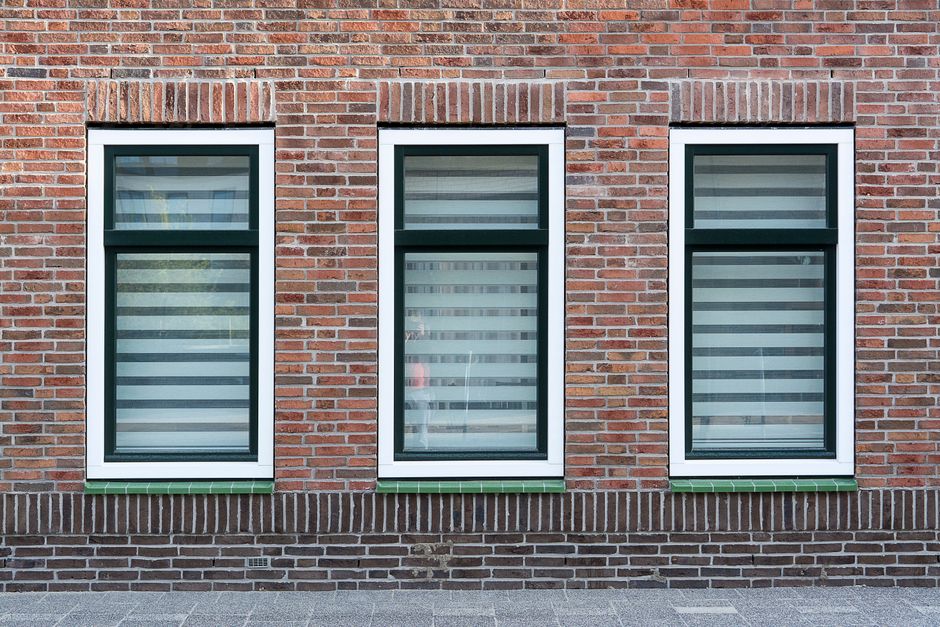
Interior trim does one job: it hides the gap between the frame and the wall and holds the finish line crisp. Every teardown replacement windows austin gagewood photo has logged shows the same thing, which is that the trim work takes almost as long as setting the unit. In an Austin, TX house the interior stage is where a replacement window either looks built in or looks added on.
Insulating the gap first
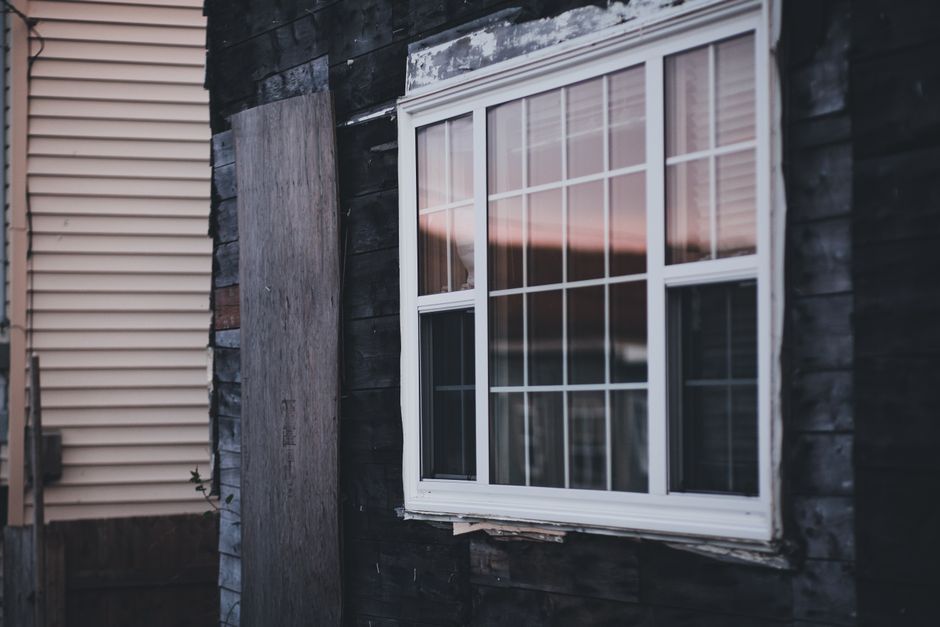
Before any trim returns, the space between the new frame and the studs is filled. Low-expansion foam made for windows goes in a thin bead, never a full pack, because standard foam swells and bows a vinyl window frame inward. Strips of fiberglass insulation are an alternative, packed loosely. The interior side then gets a continuous sealant line so house air cannot move through the gap.
Casing, stool and apron

The casing is the flat trim around the sides and head. The stool is the shelf at the bottom, and the apron is the piece below it. On a full-frame job all three are often new, cut to the new opening and fastened to the jambs. On an insert the old trim stays, and the installer only caulks it back to the new frame. Older bungalows near Clarksville and Hyde Park often have wide, flat-profile casings that a modern pre-cut set will not match, so the trim is milled or reused.
Drywall returns and plaster
When the old frame came out of the wall, the plaster or drywall at the edge usually broke. The installer patches the return, the short piece of wall between the frame and the face, with joint compound and sands it flat. In houses with lath and plaster the repair is slower and cracks are common. A patch that is not primed before paint shows through as a dull strip.
Caulk and paint
Paint-grade caulk closes the thin seam between the trim and the wall, and a second bead closes the one between the trim and the frame. The caulk is smoothed with a damp finger, not left to a tool. Paint follows after the caulk skins over, usually with two coats on the new trim. A wood window or clad window with a stained interior gets stained trim and a clear coat instead.
Final fit of the hardware
Last, the locks, tilt latches and crank handles go on. Each one is checked for smooth travel. A casement that closes against its seal with a small push is set correctly. A slider that rolls with one finger is aligned.