Foundation movement and racked window frames in Austin
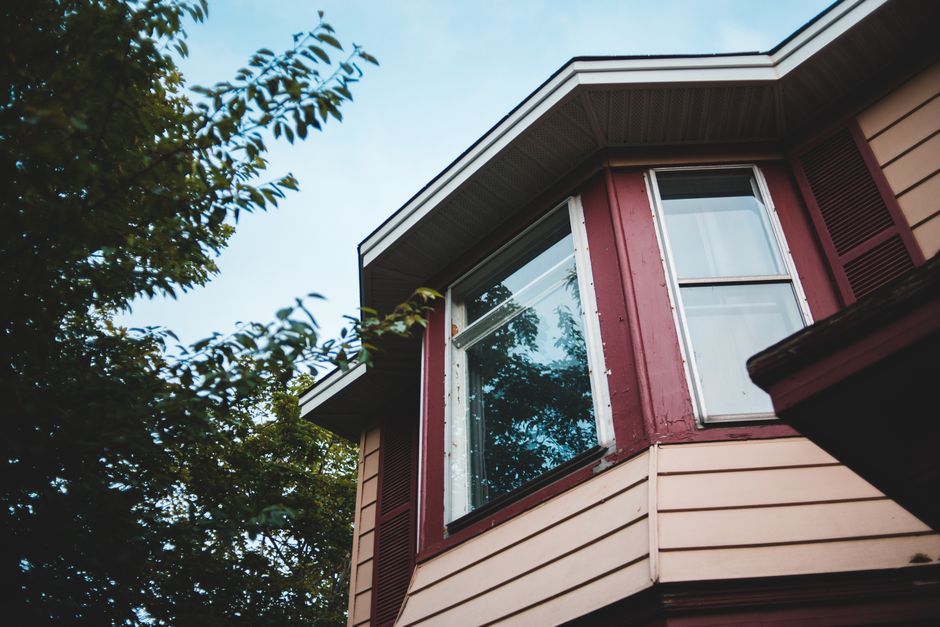
Two houses on the same street in Austin, TX can look identical and sit on very different ground. The intervals replacement windows austin gagewood photo uses for checking square are shorter than a window manual says, because ground moves and a window opening moves with it. A new replacement window that fits a dead-square frame on installation day may bind a year later, so the installer's job includes leaving room for what the soil will do.
Why the clay matters
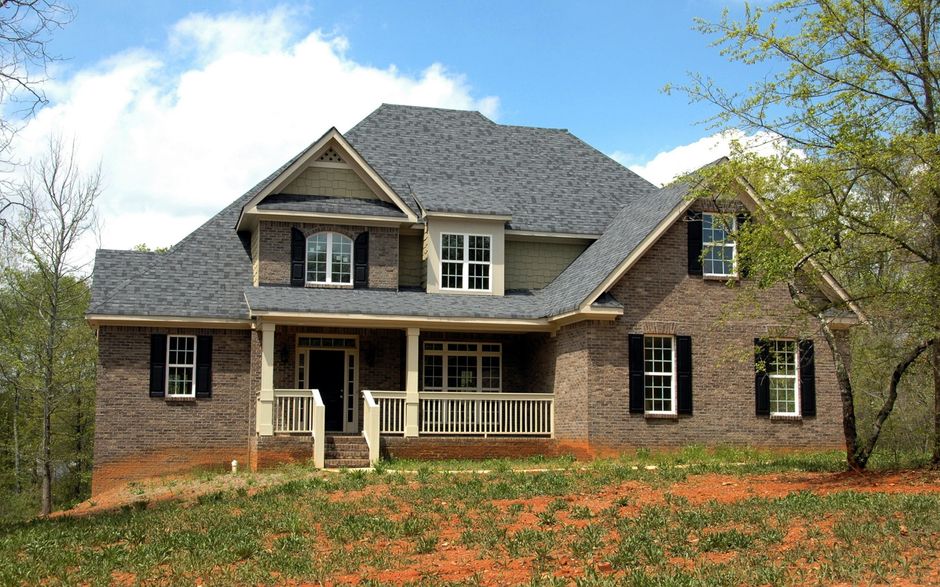
East of the Balcones Fault, Austin sits on clay that swells when it is wet and shrinks when it dries. A long dry stretch in summer pulls moisture from the soil beside a slab, and the edge of the foundation drops. The first signs show up in the house as stair-step cracks in brick, doors that rub, and sash windows that stick in their frames. West of the fault the ground is limestone and moves far less.
What racking looks like at a window
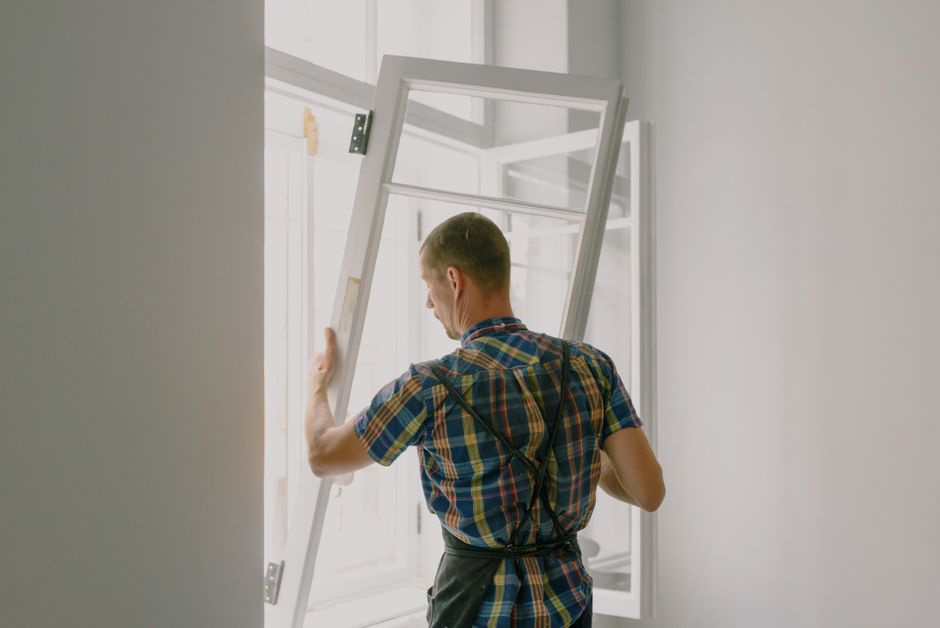
A racked opening becomes a parallelogram. The head is no longer parallel to the sill, and the two diagonals differ in length. A double hung sash in a racked frame touches the jamb at one corner, rubs the weatherstrip, and will not lock. A slider jams on its track. A picture window cracks if its frame twists around fixed glass. The installer measures the diagonals before ordering, because a unit built perfectly square cannot be forced into an opening that is not.
Shimming and fastening
Shims go under the sill at both ends and in the middle, then at the sides near each fastener, never as a long wedge but as short tapered pairs. The unit is set level and plumb in the opening, not square to a crooked wall. Fasteners are placed where the manufacturer allows and driven snug without pulling the frame out of true. Over-tightening bows a vinyl window frame, and a bowed frame makes a casement or awning sash hard to crank.
Leaving room to move
The gap around the frame is not left tight. It is filled with low-expansion foam or fiberglass insulation and sealed with a flexible bead, which can follow small shifts. A composite frame or fiberglass window moves less in heat than vinyl, so the gap can be a little smaller. A wood window or clad window sits in the opening much as it always has.
After the install
A second visit after the first hot dry summer shows what the slab did. Sashes still sliding freely and reveals still even mean the allowance was right. A new binding point means the foundation, not the window, wants attention, and a foundation contractor is the next call.